Signs your home's electrical system may be overloaded
How to tell if your electrical panel is working too hard
Your home's electrical service has a limit. Every light, appliance, and device you plug in draws power from the same service panel. When the total demand exceeds what the panel and wiring can safely deliver, you have an overloaded system. The warning signs are often subtle at first, but ignoring them can lead to tripped breakers, damaged equipment, or worse. Knowing what to look for helps you decide when it's time to call an electrician.
Many homeowners first notice the problem when a breaker trips repeatedly. A breaker is designed to shut off power when the current on that circuit exceeds its rating. If you reset it and it trips again soon after, the circuit is being asked to carry more than it can handle. This is especially common in older homes where a single circuit may serve several rooms or multiple high-draw appliances. A tripped breaker is not a nuisance; it is a safety device doing its job. The real issue is why the circuit is overloaded in the first place.
Flickering or dimming lights
When lights flicker or dim briefly as a large appliance starts up, it often points to voltage drop in the house wiring. A refrigerator, air conditioner, or washing machine can draw several times its running current during the first second of operation. If the wiring or the service panel cannot supply that surge without a dip in voltage, the lights in the same circuit or even in other rooms will flicker. Occasional flicker when a motor starts is not always a problem, but if it happens frequently or affects multiple circuits, the electrical service may be undersized for the home's needs.
Dimming that lasts longer than a split second, or that occurs without any appliance turning on, suggests a loose connection or a failing breaker. Both need prompt attention from a qualified electrician. Loose connections generate heat and can cause arcing, which is a fire risk. Do not ignore persistent dimming or flickering even if the breakers are not tripping.
Warm or discolored outlets and switch plates
An outlet or switch that feels warm to the touch is a sign that the circuit is carrying more current than the wiring or device is rated for. Heat builds up when resistance in the connection or the wire itself is higher than normal. Over time, that heat can degrade the insulation on the wires and melt the plastic components of the outlet. Discoloration around the edges of a wall plate or a faint smell of burning plastic are serious warnings. Turn off the circuit at the panel and do not use that outlet until an electrician has inspected it.
Warm outlets are often found in kitchens, laundry rooms, and home workshops where multiple high-power devices share the same circuit. A common fix is to redistribute the load by plugging some devices into different circuits, but the root cause may be that the circuit was never intended for the equipment now connected to it. In many older homes, a single 15-amp circuit serves the entire kitchen, which is not enough for a modern kitchen with a microwave, toaster oven, coffee maker, and refrigerator all potentially running at once.
Buzzing sounds from the panel or outlets
A humming or buzzing noise coming from the service panel or from an outlet is never normal. Inside the panel, the main breaker and individual breakers can vibrate slightly under load, but a loud or persistent buzz often indicates a loose connection or a breaker that is failing. Buzzing from an outlet usually means the contacts inside are arcing. Arcing creates heat and can ignite nearby materials. If you hear buzzing, turn off the affected circuit and have it inspected. Do not assume the noise will go away on its own.
Sometimes the buzz is from a dimmer switch or a fluorescent ballast, and that can be normal for certain types of equipment. But if the sound is new or has changed in pitch, it is worth checking. A qualified electrician can measure the voltage and current at the panel and identify whether the noise is a sign of overload or a component that simply needs replacing.
Frequent need for extension cords and power strips
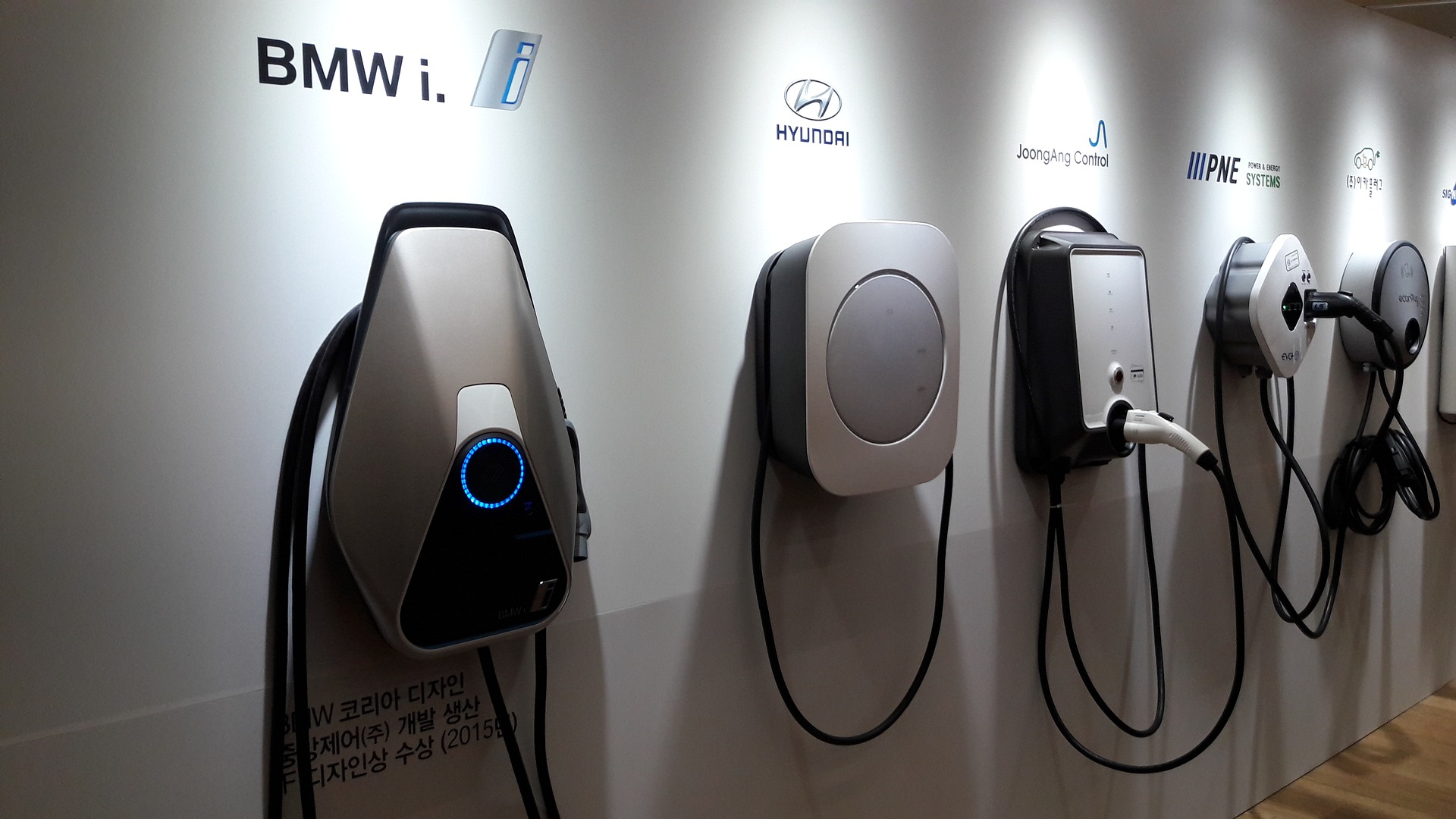
If your home has too few outlets and you rely on extension cords and power strips to run your devices, the electrical system may be working beyond its original design. Extension cords are meant for temporary use, not permanent wiring. Power strips with surge protection add some safety, but they do not increase the capacity of the circuit. Plugging several high-wattage devices into a single power strip can still overload the circuit. The real solution is to have additional outlets installed on dedicated circuits where they are needed. This is especially relevant for home charging electrical work, where an EV charger requires its own circuit and should never share an outlet with other appliances.
Adding a dedicated circuit for a high-draw device like an EV charger is a common upgrade. It not only prevents overloads but also ensures the charger can deliver its full rated power without competing with other loads in the house. An electrician can assess your panel's capacity and determine whether you need a sub-panel or a service upgrade to accommodate the new circuit. This type of work falls under the category of electrical upgrades for safer charging, which many homeowners in the Bay Area are considering as they switch to electric vehicles.
Breakers that trip only under certain conditions
Sometimes a breaker trips only when multiple appliances run at the same time, such as the microwave and the toaster in the kitchen. That is a clear sign the circuit is overloaded. But breakers can also trip due to a short circuit or a ground fault, which are different problems. If the breaker trips even when the load seems low, the issue may be a damaged wire or a failing breaker. A qualified electrician can test the circuit and determine the cause. Do not simply replace a breaker with a larger one; that can overheat the wiring and create a fire hazard. The breaker size must match the wire gauge and the load it serves.
In some homes, the main breaker trips when the total load from all circuits exceeds the service capacity. This is a more serious situation. It means the entire home's electrical service is undersized for the current demand. The only fix is to upgrade the service panel and the incoming feed from the utility. This is a major job, but it may be necessary if you plan to add an EV charger, a heat pump, or other large loads. A service upgrade also makes future electrical upgrades for safer charging possible without constant tripping.
What to do if you suspect an overload
The first step is to identify which circuits are overloaded. Go to your service panel and note which breaker controls the problem area. Then add up the wattage of all devices on that circuit. A 15-amp circuit on 120 volts can handle up to 1,800 watts, but for continuous loads such as a space heater or a refrigerator, you should not exceed 80 percent of that, or 1,440 watts. If your total is above that, you need to move some devices to another circuit or have a new circuit installed.
For homes that already have an EV charger or plan to install one, the load calculation becomes more critical. An EV charger is a continuous load, meaning it runs at full power for hours at a time. The National Electrical Code requires that continuous loads not exceed 80 percent of the circuit breaker rating. So a 50-amp circuit can only supply 40 amps of continuous charging current. An electrician can perform a load calculation for your home to see if the existing service can handle the additional demand. If it cannot, a service upgrade or a load management system may be needed.
Load management devices can automatically reduce the charger's power when other large loads in the house are running, avoiding a trip without requiring a full service upgrade. This is a practical solution for many homes with limited panel capacity. An electrician can advise whether a load management system is suitable for your situation.
The warning signs of an overloaded electrical system are not something to ignore. Flickering lights, warm outlets, buzzing sounds, and frequent breaker trips all point to a system that is being pushed beyond its limits. Addressing these issues early can prevent damage to your appliances and reduce the risk of an electrical fire. If you notice any of these signs, turn off the affected circuit and call a licensed electrician. They can assess your panel, recommend upgrades, and ensure your home's electrical system is safe and reliable for the loads you need it to carry.
Ends · CHARGEATHOME